
10 April, 2026
In today’s fast-changing digital world, businesses are no longer competing only locally—they are competing globally. With more companies going online, standing out has become more challenging than ever. This is where digital marketing plays a crucial role. A strong digital marketing strategy not only helps you reach your target audience but also drives consistent growth, leads, and revenue.
As we move into 2026, digital marketing is evolving with new trends, technologies, and consumer behaviors. Businesses that adapt quickly and implement the right strategies will gain a competitive advantage. In this blog, we will explore the most effective digital marketing strategies that can help you grow your business successfully.
Understanding Digital Marketing in 2026
Digital marketing is no longer limited to just running ads or posting on social media. It is a combination of multiple strategies working together to create a strong online presence. These include SEO, paid advertising, content marketing, social media, email marketing, and analytics.
In 2026, the focus is on personalization, automation, and data-driven decisions. Businesses are using advanced tools to understand customer behavior and deliver highly targeted campaigns. This ensures better engagement and higher conversion rates.
1. Search Engine Optimization (SEO)
SEO continues to be one of the most powerful digital marketing strategies for long-term growth. It helps your website rank higher on search engines like Google, making it easier for potential customers to find your business.
To succeed in SEO, you need to focus on:
- Keyword Research: Identify the keywords your audience is searching for
- On-Page SEO: Optimize titles, headings, meta descriptions, and content
- Technical SEO: Improve website speed, mobile responsiveness, and structure
- Content Creation: Publish high-quality and informative content
SEO is a long-term investment, but the results are sustainable and cost-effective. Once your website starts ranking, you can generate consistent organic traffic without spending on ads.
2. Pay-Per-Click Advertising (PPC)
While SEO takes time, PPC advertising provides instant results. Platforms like Google Ads allow businesses to appear at the top of search results immediately.
PPC is highly effective because it allows you to:
- Target specific audiences
- Control your budget
- Measure performance in real-time
- Generate quick leads and sales
To maximize ROI, businesses should focus on creating compelling ad copies, using the right keywords, and optimizing landing pages. A well-managed PPC campaign can significantly boost your revenue in a short period.
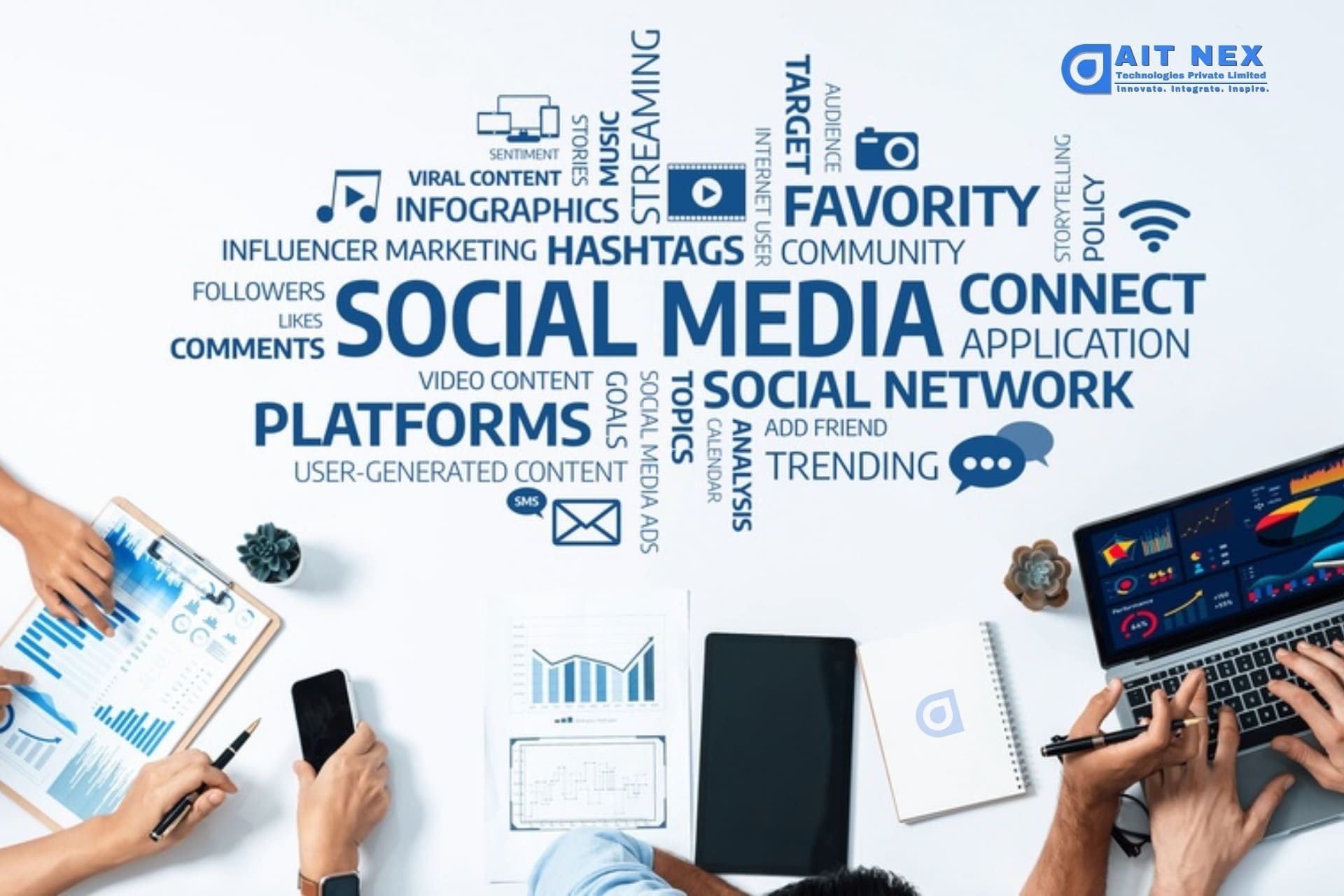
3. Social Media Marketing
Social media has become an essential part of digital marketing. Platforms like Instagram, Facebook, LinkedIn, and YouTube allow businesses to connect directly with their audience.
In 2026, social media marketing is more than just posting content. It involves:
- Creating engaging and valuable content
- Running targeted ad campaigns
- Building a strong brand identity
- Interacting with followers regularly
Consistency is the key to success in social media. Businesses that actively engage with their audience build trust and loyalty, which leads to higher conversions.
4. Content Marketing
Content marketing is the backbone of digital marketing. High-quality content helps attract, educate, and convert your audience.
Types of content include:
- Blog posts
- Videos
- Infographics
- Case studies
- Email newsletters
In 2026, content should be:
- Informative and valuable
- SEO optimized
- Easy to read and understand
- Focused on solving user problems
Businesses that invest in content marketing establish themselves as industry experts, which builds credibility and trust.
5. Lead Generation Strategies
Generating leads is one of the primary goals of digital marketing. A lead is a potential customer who has shown interest in your product or service.
Effective lead generation strategies include:
- Landing pages with strong CTAs
- Free resources like ebooks or guides
- Email marketing campaigns
- Retargeting ads
The key is to capture user information and nurture them until they become customers.
6. Data Analytics and Optimization
One of the biggest advantages of digital marketing is the ability to measure everything. Tools like Google Analytics provide insights into user behavior, traffic sources, and conversions.
Businesses should regularly analyze their data to:
- Identify what is working
- Improve weak areas
- Optimize campaigns
- Increase ROI
Continuous improvement is essential for long-term success.
7. Personalization and Automation
In 2026, customers expect personalized experiences. Businesses that deliver customized content and offers perform better than those using generic strategies.
Marketing automation tools help businesses:
- Send personalized emails
- Track user behavior
- Automate campaigns
- Save time and effort
This improves efficiency and ensures better engagement with customers.
Common Mistakes to Avoid
Even with the right strategies, businesses often make mistakes that affect their performance. Some common mistakes include:
- Ignoring SEO
- Not tracking performance
- Targeting the wrong audience
- Posting inconsistent content
- Focusing only on short-term results
Avoiding these mistakes can significantly improve your marketing outcomes.
Conclusion
Digital marketing in 2026 is all about combining the right strategies with data-driven decisions. SEO, PPC, social media, content marketing, and analytics work together to create a powerful system that drives growth.
Businesses that invest in digital marketing and continuously optimize their strategies will not only survive but thrive in today’s competitive environment.
Want to grow your business with powerful digital marketing strategies?
AIT NEX Technologies Pvt Ltd is here to help you achieve real results.